When weighing stump grinding vs stump removal, grinding is the faster, more affordable option for most yards, generally taking 30 minutes to two hours. Removal extracts the entire root system, costs noticeably more, and takes three to eight hours, but it is the right call when you are replanting or building in the same spot.
At Merkel’s Tree Service, we regularly help homeowners throughout Berks County work through the decision between these two methods to find the one that fits their property, their budget, and their plans for the space. The right answer usually comes down to a single question: do you need the roots gone, or just the stump out of sight?
What is Stump Grinding and How Does It Work?
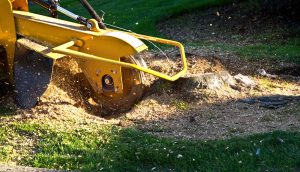
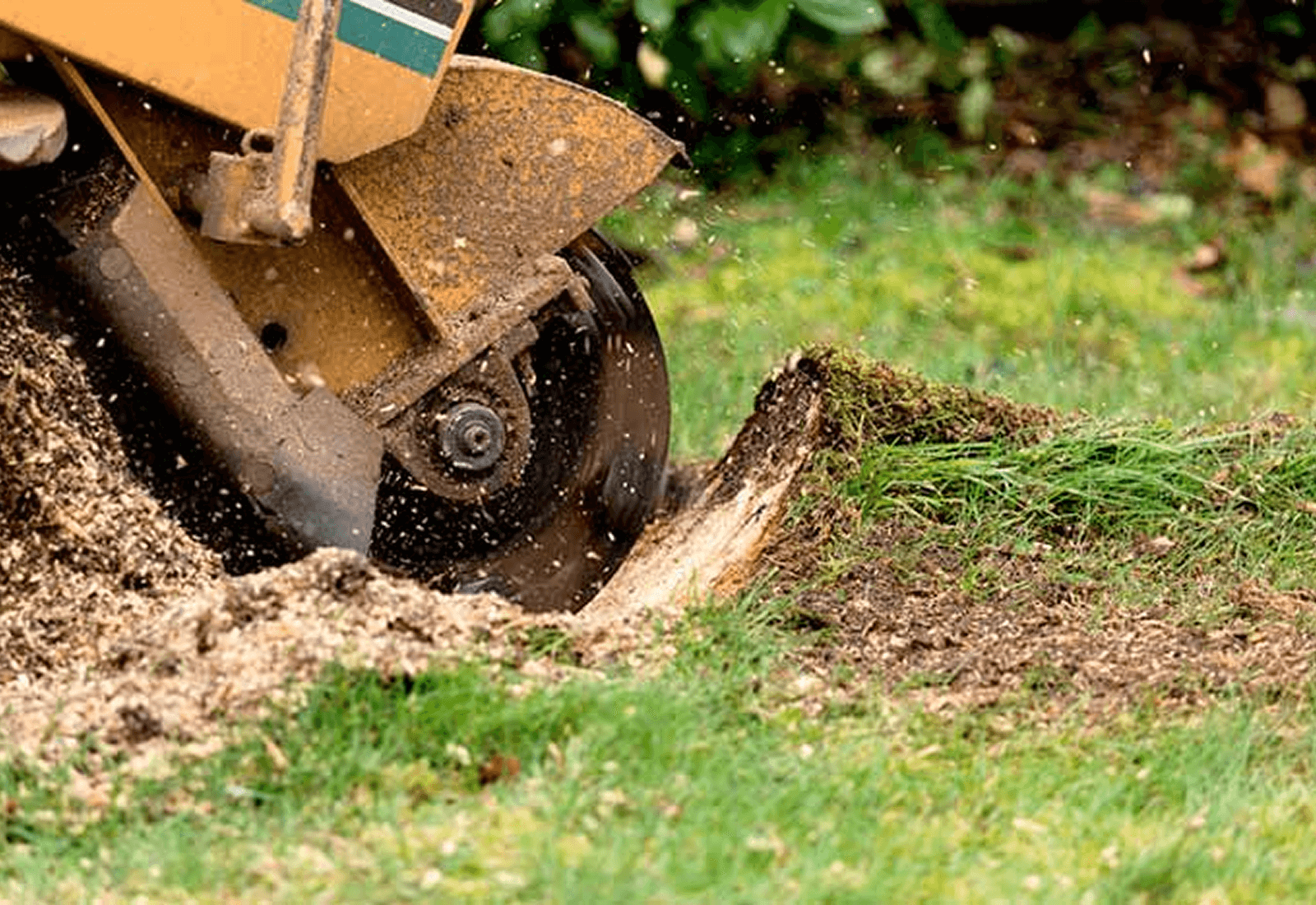
Stump grinding is a popular choice because it delivers efficient results with minimal disruption to surrounding landscaping. The process uses specialized machinery to grind the stump down to roughly six to 12 inches below ground level. From there, most of the root system stays in the ground and decomposes naturally over time.
If surface roots become visible after grinding, additional passes with the grinder smooth them out for clean lawn integration. Some homeowners request grinding deeper than 12 inches, particularly when they are planning certain types of replanting.
Most jobs use one of three equipment types, depending on access and stump size:
- Handheld grinders for smaller stumps and tight spaces
- Tow-behind grinders for standard residential work
- Tracked machines for larger stumps or difficult terrain
Before grinding begins, the crew clears the area of debris and rocks, marks utility lines for safe operation, and confirms clear access for the machinery. Operators follow TCIA safety standards, including proper protective equipment, secure machine operation, and established site controls.
The main benefits are quick turnaround, minimal site disruption, and a useful byproduct: the wood chips can be left on site as mulch for your landscaping beds. In Berks County, grinding is often the right fit for lawns where preserving the surrounding area matters.
Understanding the Difference Between Stump Grinding and Stump Removal
The difference between stump grinding and stump removal comes down to how each method handles the root system. Grinding reduces the visible stump to below ground level and leaves the roots in place. Removal extracts the entire stump and root structure from the ground.
That core distinction shapes everything else about the two jobs. The scope, the equipment, and the impact on your yard all follow from whether the roots stay or go.
Scope of work:
- Grinding addresses only the stump itself
- Removal takes out the full root system
Equipment:
- Grinding uses handheld, tow-behind, or tracked stump grinders
- Removal typically requires a skid-steer or excavator, a stump puller or chain, and often a truck for hauling
Site impact:
- Grinding leaves a small footprint with a shallow, mulch-filled depression
- Removal leaves a large excavation that needs six to 18 inches of soil backfill, depending on stump size
When deciding between stump grinding or stump removal, it helps to picture the end result. After grinding, you are left with a level surface, some mulch, and minor depressions that are ready for grass seed. After removal, you have a large open hole filled with backfill, ready for replanting or construction.
Complete Stump Removal: Process and Considerations
Complete stump removal involves excavating the entire root ball and primary roots, a process that takes three to eight hours on average. It is more invasive than grinding, relies on heavy machinery, and affects a larger area of your yard. It is the necessary choice when you have construction or precise planting plans for the exact spot, and it often goes hand in hand with larger tree removal projects on the same property.
The process follows a clear sequence:
- Utility location: Call 811 to verify the location of underground utilities before any digging.
- Site preparation: Mark off zones to protect against equipment damage.
- Excavation: Use machinery to remove the root system.
- Debris management: Haul away the excavated material.
- Soil backfill: Fill and level the site, often mixing soil with sand or gravel for drainage and compacting it to prevent future settling.
Once the site is backfilled, restoration includes stabilizing the soil to prevent erosion, planting grass or new vegetation, and putting erosion control measures in place where needed.
Some locations call for extra care. In sensitive or protected areas, permits and restoration requirements may apply, and careful backfilling matters to guard against ground settling and protect the surrounding environment.
Cost Comparison: Grinding vs Removal in Berks County
When you compare stump removal vs grinding on price, grinding is typically the more affordable method in Berks County, while removal often costs noticeably more. The gap reflects the heavier equipment, added labor, and site restoration that removal requires.
Several factors influence the final price for either method:
- Stump diameter: Larger stumps cost more
- Species: Harder wood takes more time and can raise the price
- Quantity: Multiple stumps may qualify for a better per-stump rate
- Accessibility: Difficult access increases cost
- Restoration needs: Soil restoration adds to the total
- Equipment requirements: A tracked grinder or excavator costs more to bring in than a handheld unit
- Mobilization: Transport and setup of equipment
- Site protection: Measures to prevent damage to your property
There are also common add-ons worth budgeting for, including haul-away fees for chips or debris and topsoil delivery for backfilling after a removal.
Renting a grinder and doing the work yourself is one option, but it comes with real trade-offs in time, effort, and risk. Merkel’s Tree Service brings ISA-certified arborists, the right equipment for the job, and full insurance coverage, which removes the guesswork from the equation.
Decision Guide: When to Choose Grinding vs Removal
For most residential situations, the choice comes down to a few practical questions about your goals for the space. The framework below makes the stump grinder vs stump removal decision easier to think through.
Choose stump grinding when you want:
- Lawn restoration that keeps the surrounding landscape intact
- A quick turnaround
- The more affordable option
- A cost-effective approach for multiple stumps
- Less disruption in tight or limited-access areas
Choose stump removal when you have:
- Immediate replanting plans for the same spot
- A construction project that needs to start
- An aggressive root species you want fully gone
- Utility installation that requires complete clearance
A few quick questions can settle it. Do you need to plant a new tree in the same spot right away? If yes, removal is the better choice. Are you mainly concerned about avoiding yard disturbance or staying on budget? If yes, grinding is likely your answer.
Local context matters, too. In a small Wyomissing yard with limited access, a homeowner might choose grinding for a fast lawn recovery without heavy machinery tearing up the property. Near Kutztown University, a rental property owner preparing a lot for a new garage might choose removal so the stump and roots are fully cleared before construction.
Frequently Asked Questions
Which is better, stump grinding or stump removal?
Neither is universally better. For everyday residential needs like clearing a stump from a lawn, grinding wins on speed, cost, and minimal mess. Removal becomes the better choice in a narrower set of cases: when you are planting a new tree in the same hole, pouring a foundation, or dealing with a species whose roots you want fully cleared.
Does stump grinding completely remove the stump?
Not entirely. The grinder eliminates the stump itself and a portion of the upper roots, but the deeper root network is left in place to break down on its own. For most lawns, this is a non-issue, since the remaining roots sit well below the surface and do not interfere with grass or light landscaping.
Is stump grinding cheaper than removal?
Yes. Grinding is generally the more affordable choice because removal involves heavier equipment, more labor, and site restoration. The exact difference depends on the size of the stump, access, and what the site needs afterward.
How long does it take to grind a 3-foot stump?
An average three-foot stump usually takes one to two hours to grind, depending on the species, the root system, and how easily the crew can access it. Professional-grade equipment makes a significant difference in speed.
Do I need permits for stump work in Berks County?
Most residential stump work on private property does not require a permit in Berks County. That said, individual municipalities set their own rules, and commercial projects may have different requirements, so it is worth checking locally before you begin.
Can leftover wood chips from grinding attract termites?
They can create conditions that termites favor if the chips are left in a damp pile up against your home’s foundation. The chips themselves are not a strong termite magnet, but moisture and cover near a structure are worth avoiding. Spreading the chips in beds away from the house, or having the crew haul them off, keeps the risk low.
Making the Right Call for Your Property
There is no universal winner in the stump grinding vs stump removal debate, only the right fit for your specific situation. If you want speed, value, and a quick return to a usable lawn, grinding is almost always the smart move. If you are building or replanting in the same spot, removal is worth the added cost and effort. Either way, you can contact Merkel’s Tree Service to have your stump assessed in person, talk through your options, and get the work handled safely from start to finish.