Can you plant a tree where a stump was removed? Yes, but with a few conditions. For the best results, plant about 3 to 6 feet away from the original stump site, or wait longer if you want to use the exact same spot. Success comes down to what to do after tree stump grinding: clearing debris, preparing the soil, and giving the site time to settle before a new tree goes in.
Why Tree Replacement After Stump Removal Is Challenging
Tree replacement is absolutely possible after a stump comes out, but the old planting area usually presents three obstacles. Understanding them up front saves you from a struggling tree later.
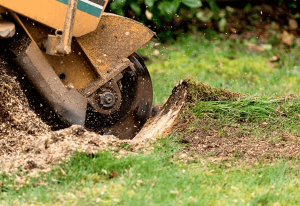
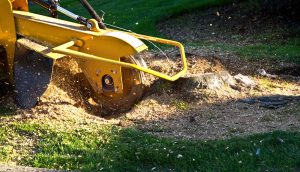
- Leftover wood ties up nitrogen. Stump grinding leaves behind wood chips, sawdust, and root fragments. This material has a very high carbon-to-nitrogen ratio, often cited by extension sources at roughly 200 to 1 or higher. As soil microbes break it down, they pull available nitrogen out of the surrounding soil, which can temporarily starve a new plant of a nutrient it needs to establish.
- Old roots are still down there. Do tree roots die after stump grinding? Not right away. Grinding removes the stump and the upper root structure, but the deeper roots remain and decompose slowly over several years. While they do, they take up space and continue to change the soil conditions around them. If you have not yet had the stump ground and are weighing your options, our professional stump grinding services leave a cleaner site to work with than a DIY grind.
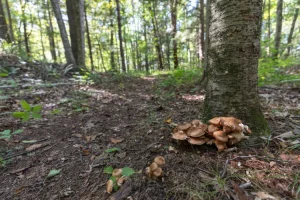
- Past problems can linger. If the previous tree came down because of disease or a persistent pest, those issues can carry over into the soil. Replanting the same species in the same spot can expose the new tree to the same threat.
The core challenge is not just the stump. It is the combination of decomposing wood, limited root space, and soil chemistry that keeps shifting as buried material breaks down. In some cases, a tree that has already been removed leaves behind more root mass than expected, which is worth keeping in mind if you are still planning the initial tree removal.
What to Do After Tree Stump Grinding: Setting Up for Success
Knowing what to do after tree stump grinding starts with the site, before you ever think about a new tree. A clean, well-prepared spot is the difference between a tree that establishes and one that limps along.
- Clear out the debris. Remove as much of the leftover sawdust, wood chips, and root material as you practically can. This is the single most important step, since it directly reduces the nitrogen tie-up problem.
- Backfill with quality topsoil. Once the debris is out, replace the lost volume with clean topsoil and mound it slightly to allow for settling over the following weeks.
- Loosen the surrounding soil. Grinding and equipment traffic can compact the area. Breaking up that compaction helps water move through and gives new roots room to spread.
- Match the prep to the goal. Restoring a patch of lawn is forgiving. Planting a tree is not, and it calls for more thorough preparation of the site.
This is also where professional grinding pays off later. When Merkel’s grinds a stump, we take it several inches below grade, typically in the range of 6 to 12 inches, depending on the site and your plans, and clear the debris as part of the job. That leaves a cleaner, more workable spot for whatever you plant next, which is harder to achieve with a rental grinder and a weekend of DIY effort. For homeowners who want the whole process handled, our residential tree services cover removal, grinding, and site cleanup under one team.
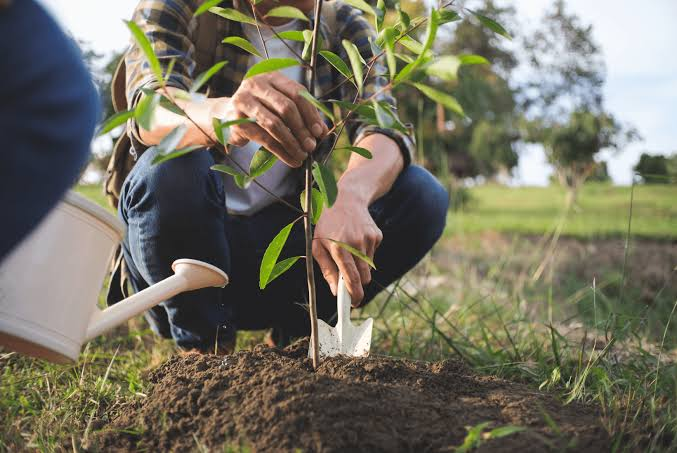
For the planting technique itself, it is worth following established ISA planting standards, which cover proper depth, root flare placement, and backfill practices that give a new tree its best start.
Soil Preparation and Testing After Stump Removal
After a stump is gone, the soil deserves as much attention as the tree you pick. A little testing removes the guesswork.
- Test before you plant. A basic soil test tells you the pH and nutrient levels, so you know what the site actually needs. Most trees do well in soil with a pH of roughly 6.0 to 7.0, but this is worth checking rather than assuming. University extension services publish detailed soil testing procedures that explain how to read your results.
- Know your species’ preference. Some of the best native choices for this region prefer more acidic soil. River birch and many native oaks, for example, lean toward the acidic end and can develop problems like iron chlorosis in soil that is too alkaline. Matching the tree to the soil, or adjusting the soil to the tree, matters.
- Watch for nitrogen tie-up. If fresh wood chips remain in the soil, expect some temporary loss of available nitrogen. A slow-release nitrogen source or well-composted organic matter can help offset it.
- Amend thoughtfully. Topsoil, finished compost, and targeted amendments based on your soil test give a new tree a stable base. The goal is to make the planting area behave like good planting soil rather than a bed of decomposing grindings.
A simple way to think about it: the more the spot resembles healthy soil and the less it resembles leftover stump material, the better your new tree’s odds.
Optimal Planting Distance and Location
If you are asking whether you can plant a new tree after stump grinding, the answer is yes, though where you put it makes a real difference.
- Give it a few feet. Planting 3 to 6 feet away from the original stump location keeps the new tree out of the densest zone of buried debris and decomposing roots.
- Offset when you can. An offset spot means more stable, undisturbed soil and less competition from the old root system.
- Account for lingering roots. The old roots continue to affect moisture and available space below the surface as they break down, so the farther you can reasonably get from the center point, the better.
So, can you plant a new tree after stump grinding in the exact same spot? You can, but it is usually smarter to shift a few feet over if the space allows. If you are locked into the original location, plan on more thorough soil work and a longer wait.
Timing Your Tree Planting in Pennsylvania
If you are wondering whether you can plant a tree after stump grinding right away, the honest answer is that it depends on the site more than the calendar.
- Spring is a strong choice, giving a new tree a full growing season to establish roots before winter.
- Fall also works well in Pennsylvania, since cooler air reduces stress on the tree while the soil stays warm enough for roots to keep developing.
- Same-spot planting usually calls for more patience, since the old root mass and grindings need time to break down first.
- Offset planting can happen sooner, as soon as the new spot is cleaned up and the soil is ready.
Berks County sits in a climate where both spring and fall planting windows are reliable. Penn State Extension notes that the best time to plant is early spring or early fall, when cooler air and moist soil reduce stress on a new tree. For most homeowners, the deciding factor is not the season but whether the site is genuinely ready. A cleaned, leveled, and amended spot can take a tree sooner than a spot still full of woody debris.
Choosing the Right Tree Species for Berks County
Species choice matters as much as site prep, and native trees are usually the safest starting point because they are already suited to local soil and weather. Strong options for this area include:
- Serviceberry
- Eastern redbud
- Swamp white oak
- River birch
- American hornbeam
- Native oaks
- Maples
These trees show up throughout regional landscapes because they handle local conditions well and come in a range of sizes to fit different yards. Keep in mind that some species tolerate freshly disturbed, post-stump soil better than others. Smaller native trees and tough understory species tend to establish more easily than large, high-demand shade trees while the soil is still settling.
If you are not sure whether your spot is ready for a tree, a site assessment from Merkel’s Tree Service can help you decide whether the area suits a tree, a shrub, or a different planting plan altogether. Contact us to schedule service.
Frequently Asked Questions About Planting After Stump Removal
How long should I wait after stump grinding to plant a new tree?
If you want to plant in the exact same location, waiting longer is better, since the buried wood keeps decomposing and the soil keeps changing during that time. If you can plant a few feet away instead, you can often move ahead sooner once the area is cleaned out and amended. In many cases, the simplest solution is to avoid the original center point altogether.
What can I plant after removing a tree stump besides another tree?
The spot works well for shrubs, perennials, groundcovers, or a small garden bed. These are often easier than a replacement tree because smaller plants are less affected by leftover roots and wood fragments. In Berks County, native shrubs and hardy perennials are practical, low-risk choices.
Is it better to plant a new tree in spring or fall in Pennsylvania?
Both seasons work well here. Spring planting gives a tree a full season to establish, while fall planting reduces heat stress and still allows root growth before the ground cools. The better choice depends on the species and how quickly you can get the site ready.
Can tree diseases spread to new trees planted in the same location?
Yes, that risk exists if the previous tree died from a disease. This is one reason it pays to be cautious about replanting in the same spot, especially with the same species. Choosing a different species and improving the site conditions both help lower the risk.
How do I know if my soil is ready for planting after stump removal?
The area should be level, mostly free of wood chips, and topped with workable soil rather than loose grindings. If it is still full of debris or noticeably compacted, it is not ready yet. When you are unsure, a professional assessment can tell you whether to plant now or give the site more time.