
At Merkel’s Tree Service, we understand why homeowners may consider removing a tree themselves. For a small tree in an open area, DIY tree removal may be possible. The decision comes down to the tree’s size, condition, location, and your experience with the work.
If the tree is large, damaged, leaning, near a structure, or close to power lines, we recommend calling an arborist. Tree removal can become dangerous quickly, and the right equipment and experience make a significant difference.
Understanding the Basics of Tree Removal
Before taking on tree removal, assess the situation carefully. A tree can shift, split, or fall in an unexpected direction. Improper cuts can also damage property or cause serious injury.
Consider these factors before deciding whether DIY removal is appropriate:
- Tree size and health: Small, healthy trees are easier to manage. Large, dead, diseased, or damaged trees require greater caution and often professional help.
- Surrounding environment: Look for buildings, fences, vehicles, power lines, roads, and other obstacles within the tree’s potential fall zone.
- Legal considerations: Check local requirements before removing a tree. Some properties or situations may require permits or other approvals.
The 5-Question DIY Tree Removal Test
Ask yourself these five questions before getting started:
- Is the tree small enough to remove without specialized equipment?
- Is the tree well away from power lines, buildings, and other structures?
- Do you have experience using tree removal equipment?
- Do you have a clear escape route?
- Have you confirmed any required permits or permissions?
If you answer “no” to any of these questions, hire an arborist.
Tools and Equipment Needed
For a small, straightforward removal, proper equipment is essential. Depending on the tree and the work involved, this may include:
- Chainsaw
- Helmet and eye protection
- Work gloves
- Ropes
- Wedges
- Axe or hatchet
A ladder can add risk during tree work, so do not use one while cutting a tree.
Safety Precautions
Tree removal requires careful planning and the right protective equipment. You need to:
- Wear appropriate protective gear
- Inspect equipment before use
- Clear people, pets, and property from the work area
- Plan an escape route before making any cuts
- Stay well away from power lines
- Stop if the tree behaves differently than expected
If you are unsure about any part of the process, call a professional.
How to Remove a Tree Yourself (When DIY Is the Right Call)
Wondering how to cut down a tree? DIY removal should be limited to small trees in open areas where there are no structures, power lines, or other hazards nearby.
1. Planning the Process
Start by assessing the tree and the area around it. Determine the intended fall direction and make sure the area is clear.
- Equipment preparation: Inspect your chainsaw and other equipment before starting.
- Safety gear: Wear appropriate protective equipment, including eye protection, gloves, and a helmet.
2. Making the Undercut
The undercut is made on the side of the tree facing the intended fall direction. Proper placement and depth help establish the direction of the fall.
3. Making the Back Cut
The back cut is made from the opposite side of the tree. Leave an appropriate hinge of wood between the back cut and the undercut to help control the fall.
4. Using Wedges
Wedges can help prevent the tree from settling onto the saw and can assist with the intended fall direction.
5. Retreating Safely
Once the tree begins to fall, move along your planned escape route. Stay alert to falling branches and changes in the tree’s movement.
Additional Resources
For additional safety information, review OSHA chainsaw safety guidance and other educational resources. If you are unsure about how to safely complete the work, contact an arborist rather than relying on a DIY tutorial.
Post-Removal Cleanup
Once the tree is down, cleanup can take considerable time. The trunk and branches need to be cut into manageable pieces, removed from the property, and disposed of properly.
- Cut the trunk and larger branches into manageable sections.
- Remove branches and debris from the work area.
- Check local disposal requirements.
- Consider whether usable wood can be kept for firewood or another purpose.
If the tree has a stump that you can’t remove yourself, stump grinding can help you finish cleaning up that last little bit.
When to Hire an Arborist (No Question About It)
Some situations call for professional help, even if it’s simply a risk assessment. We recommend hiring an arborist when you are dealing with:
- Large or leaning trees: Their size or position can make the fall difficult to control.
- Proximity to power lines: Tree work near utility lines can create serious electrocution and outage risks.
- Rot or disease: Weak wood can break or cause the tree to fall unexpectedly.
- Confined spaces: Buildings, fences, vehicles, and other obstacles leave little room for error.
Professional removal can help reduce the risk of property damage and personal injury. It can also help address permits, utility concerns, and other local requirements.
The True Cost of DIY Tree Removal vs Hiring a Pro
DIY removal may appear less expensive at first, but the total tree removal cost can add up. Consider equipment, protective gear, disposal, your time, and the potential cost of property damage.
Typical DIY expenses may include:
- Chainsaw: $100 to 300
- Safety gear: $50 to 150
- Disposal fees: $50 to 100
- Equipment rental: $Varies
- Time and labor: Depends on the size and condition of the tree
- Property damage: Costs vary significantly depending on the damage
Professional tree removal may cost $200 to 2,000 or more, depending on the tree and the complexity of the job. A quote from a qualified arborist can give you a clearer picture of the actual cost.
For difficult or hazardous removals, professional service can also reduce the risks associated with taking on the work yourself.
What Berks County Arborists Bring
When homeowners hire us for tree removal, they are getting experience, specialized equipment, and knowledge of local conditions. Professional arborists can provide:
- Expert training: Knowledge of tree health, structure, and safe removal practices.
- Certifications: Professional credentials that demonstrate specialized training.
- Insurance coverage: Coverage that can help protect against certain accidents or property damage.
- Advanced equipment: Tools and equipment designed for larger or more complicated removals.
- Local knowledge: Familiarity with Berks County requirements and utility considerations.
For challenging removals, these resources can make the process safer and more manageable.
Frequently Asked Questions
What is the best time of year to remove a tree?
Tree removal can be performed throughout the year, but dormant seasons can make some removals easier. Conditions vary based on the tree, weather, surrounding vegetation, and the reason for removal.
Can I remove a tree myself if it’s near power lines?
No. We do not advise you to attempt DIY tree removal near power lines. Contact a qualified professional who can assess the situation and coordinate with the appropriate utility when necessary.
What permits are needed for tree removal in Berks County?
Requirements vary by municipality and property. Check with your local authorities before beginning work to determine whether a permit or other approval is required.
How can I tell if a tree is diseased?
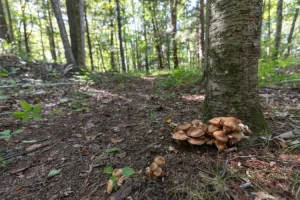
Warning signs can include dead or dying branches, unusual leaf discoloration, fungal growth, damaged bark, and changes in the tree’s overall appearance. If you suspect a tree is diseased, have it evaluated by a tree care professional.
Why should I hire an arborist instead of doing it myself?
An arborist has the training, equipment, and experience to handle tree removal safely. Professional help is especially important when a tree is large, damaged, diseased, leaning, or close to structures or utility lines.
When deciding between DIY removal and professional service, start with the tree itself and the risks around it. If the job involves significant height, weight, obstacles, or uncertainty, it’s best to leave it to a qualified arborist.